Google Ads vs Facebook Ads: Which Brings More Leads for Your Swansea Business in 2026?
Google Ads vs Facebook Ads comes down to intent. Choose Google Ads when people are already searching for what you sell, and Facebook Ads when you need to introduce your business to people who don't yet know they need you. Many businesses in Swansea and across South Wales get the best results from both, used in the right order.
Right now, one of your future customers is typing a question into Google. Another is scrolling through Facebook with no plan to buy anything. Both could become valuable leads, but they need very different types of ads, and the rest of this guide explains how to decide where to start.
Intent or Discovery: Which Suits Your Customer Best?
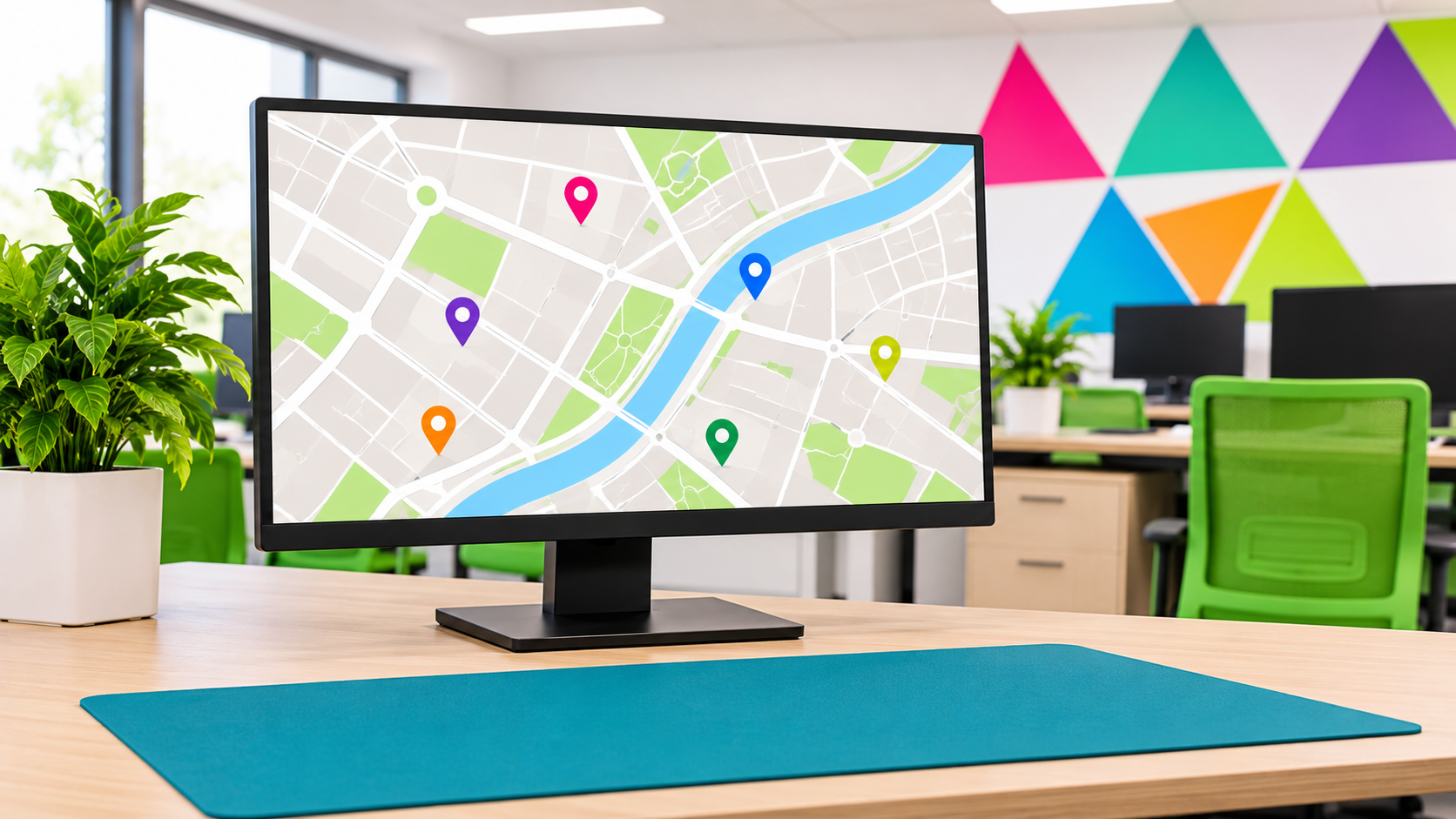
Neither platform is always the winner. Google Ads works like a shop window for people who are already searching, making it ideal for a local business offering urgent or high-need services. Facebook Ads, on the other hand, acts like a friendly introduction, suiting a local business with something visual, seasonal, or offer-led to promote.
This is the heart of the paid search versus paid social choice. Knowing how your customers behave is the first step to reaching them, whether they live in Sketty, Neath or Llanelli, and it shapes which approach will bring in enquiries for your business.
Which 2026 trends should shape your choice?
Search is still the biggest single slice of UK advertising, and social media spend is growing quickly. In the first quarter of 2026, search attracted £4.6 billion of UK ad investment, up 9.8% on a year earlier, while social media spend rose 17.7%, according to the Advertising Association and WARC Expenditure Report (July 2026).
National figures can't tell you what a lead will cost in Swansea, though. Use these four trends as a guide, then test them for your own business.
Trend 1: Intent versus interruption
Someone searching for an emergency plumber wants an answer immediately. Someone scrolling Facebook needs to be interested first. Your opportunity: if you sell urgent services, Google Ads can put you directly in front of ready buyers. If you run a café in Mumbles or a gym in Gowerton, Facebook Ads can build awareness with strong photos and a clear offer.
Trend 2: More automation in Google Ads
Google now leans heavily on automated bidding and wider keyword matching. This can extend your reach, but it can also pull in irrelevant searches if nobody checks them regularly.
Your opportunity: hands-on management turns automation into an advantage. Our Google Ad Management service covers finding the right searches, writing your ads, a dedicated landing page for each campaign, and weekly fine-tuning and reporting. If you're weighing up doing it yourself, our guide on whether a managed Google Ads service is worth it sets out the trade-offs.
Trend 3: Facebook Ads reward strong creative
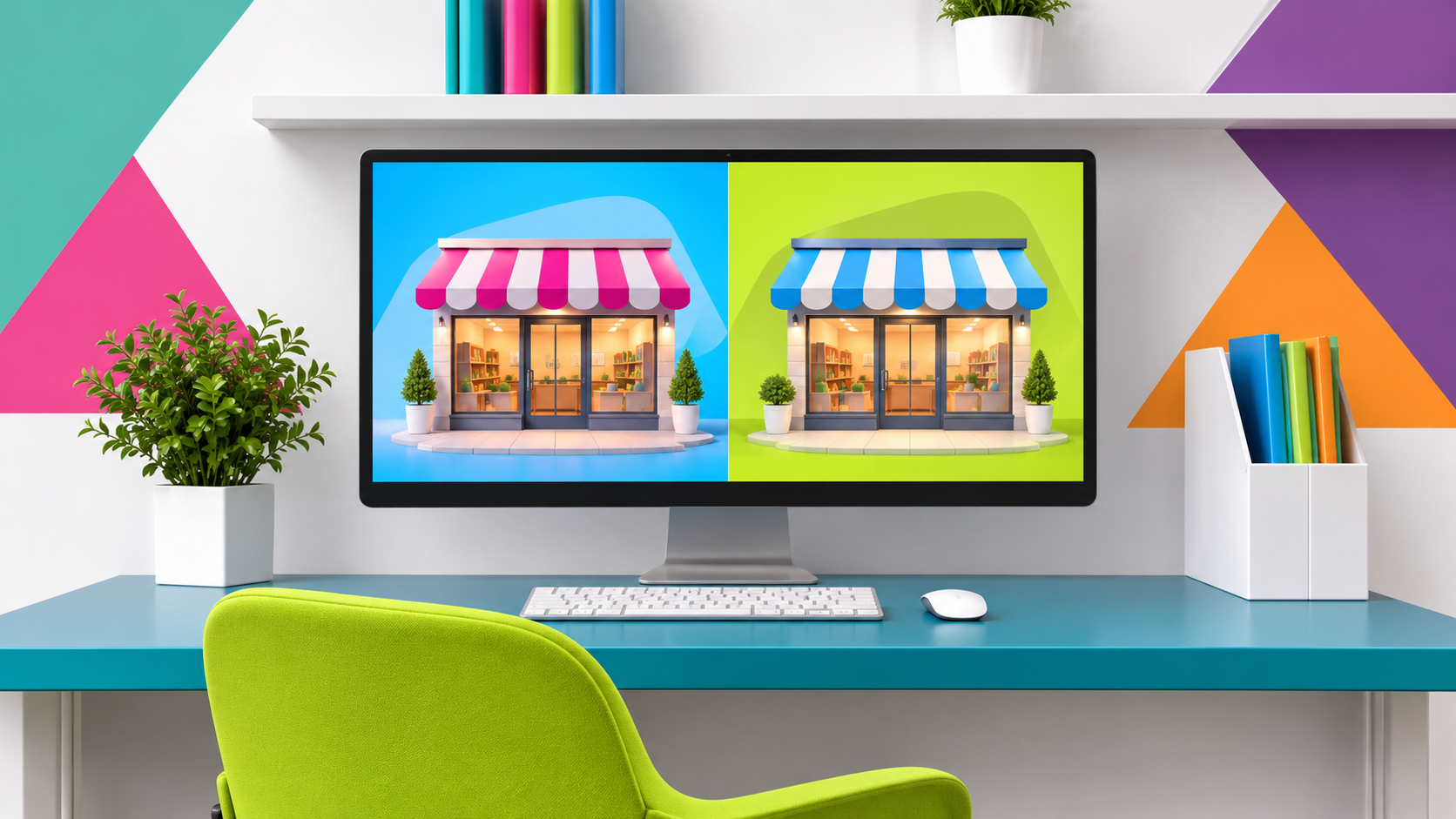
On Facebook, the creative does most of the work. Age and location settings alone are often not enough; local firms stand out with real photos, a clear offer and a simple next step.
Your opportunity: test two or three different offers and keep the one that brings in the best enquiries. If you'd rather hand this over, our social media marketing service can plan and run campaigns for you.
Trend 4: Joined-up customer journeys
Facebook can introduce your business, and then Google can capture the search that follows. Facebook can also remind website visitors who weren't quite ready to enquire. Your opportunity: track calls, forms, and booked jobs across both platforms, so you can fairly judge your local advertising ROI. A website built to turn visitors into enquiries makes every pound work harder.
How do you choose between Google Ads and Facebook Ads?
- Describe your ideal customer and how they typically find a business like yours.
- Decide whether they usually buy out of urgent need or after some browsing.
- Set a monthly budget that you're comfortable testing.
- Check that your website makes it easy to call, book, or enquire.
- Review calls, forms, and bookings each month, then adjust your strategy.
Here's a simple example. A plumber in Neath will probably start with Google Ads, because people search the moment a pipe bursts. A Carmarthen bakery launching a new cake range may begin with Facebook Ads, because appealing photos spark interest. Both can add the other platform later on.
You don't have to work this out alone. Macmillan Digital Services holds a 5.0 rating from 18 Google reviews. Ben Howells Accountant described "great support all the way through and loads of helpful suggestions that improved the end result". SIP Wealth Management said our Online Presence Healthcheck highlighted low cost improvements that "will inevitably lead to more and better enquiries".
Frequently asked questions
Can I run both at the same time?
Yes, if your budget allows. A sensible approach is to start with the platform closest to the sale, often Google Ads for urgent services, then add the other once conversion tracking is working and you know your cost per enquiry. Running both from day one can spread a small budget too thin.
How much should I spend?
It depends on your service, your local area and your goals. Set a monthly budget you're comfortable testing for long enough to gather real data. We help you choose a sensible starting budget and report each month on enquiries and cost per lead, so you can see exactly where every pound goes.
How soon will I see leads?
Google Ads can start reaching people soon after launch, because they are already searching for what you offer. Facebook Ads usually need a period of testing different images and offers before a clear winner emerges, so we refine campaigns as we learn what your audience responds to best.
Is Facebook advertising cheaper than Google Ads?
Not necessarily. Costs vary by industry, location and competition, so cost per click is a misleading comparison. What matters is cost per enquiry: how much you pay for each call, form or booking. Tracking those on both platforms shows which one actually brings in leads for less in your area.
Ready to Plan Your Ad Strategy?
Choosing between advertising platforms shouldn't feel like guesswork. At Macmillan Digital Services, we handle everything from strategy to day-to-day management, and we explain it all in plain English so you can focus on running your business. When you're ready, book a free discovery call and we'll put together an advertising plan that fits your business.
About the author: Samuel Macmillan runs Macmillan Digital Services in Killay, Swansea, managing websites, Google Ads, SEO and AI search visibility for small businesses across South Wales and the UK.
Macmillan Digital Services Blog